Window Collision Prevention
Choosing bird-safe products can feel confusing — there are a lot of options, and not all of them work equally well. This page brings everything together in one place: detailed product analysis of popular deterrent products in MNBC product information sheets, installation instructions, and the science behind proper spacing. This is your one-stop shop for straight forward, step-by-step solutions to make your window bird-safe.
General installation guidelines for all products.
Proper installation is critical to effectiveness. Even the right product won’t work if it isn’t installed correctly.
Effective collision prevention depends on four crucial factors: visibility, correct size, proper spacing, and full-window coverage.
1. Visibility .
Use high-contrast colors that stand out against the glass.
Install all treatments on the exterior side of the window. Interior placement is not effective.
2. Size of the Markings
Lines: at least 1/8 inch thick
Dots or shapes: at least 1/4 inch diameter
3. Spacing (maximum distance between marks)
To protect the most species, including hummingbirds:
2 inches by 2 inches
Acceptable but less protective:
2 inches by 4 inches
This spacing does not protect hummingbirds or some smaller warblers.
4. Full Coverage
Apply the pattern across the entire glass surface, starting 2” from the edges of the framing.
Why Spacing is so Crucial
The individual elements of the pattern only signal “don’t fly right here,” so they must be spaced close enough that birds see the entire pane as made of small, impassable sections. Keep reading to see exactly how small those sections must be.
Size
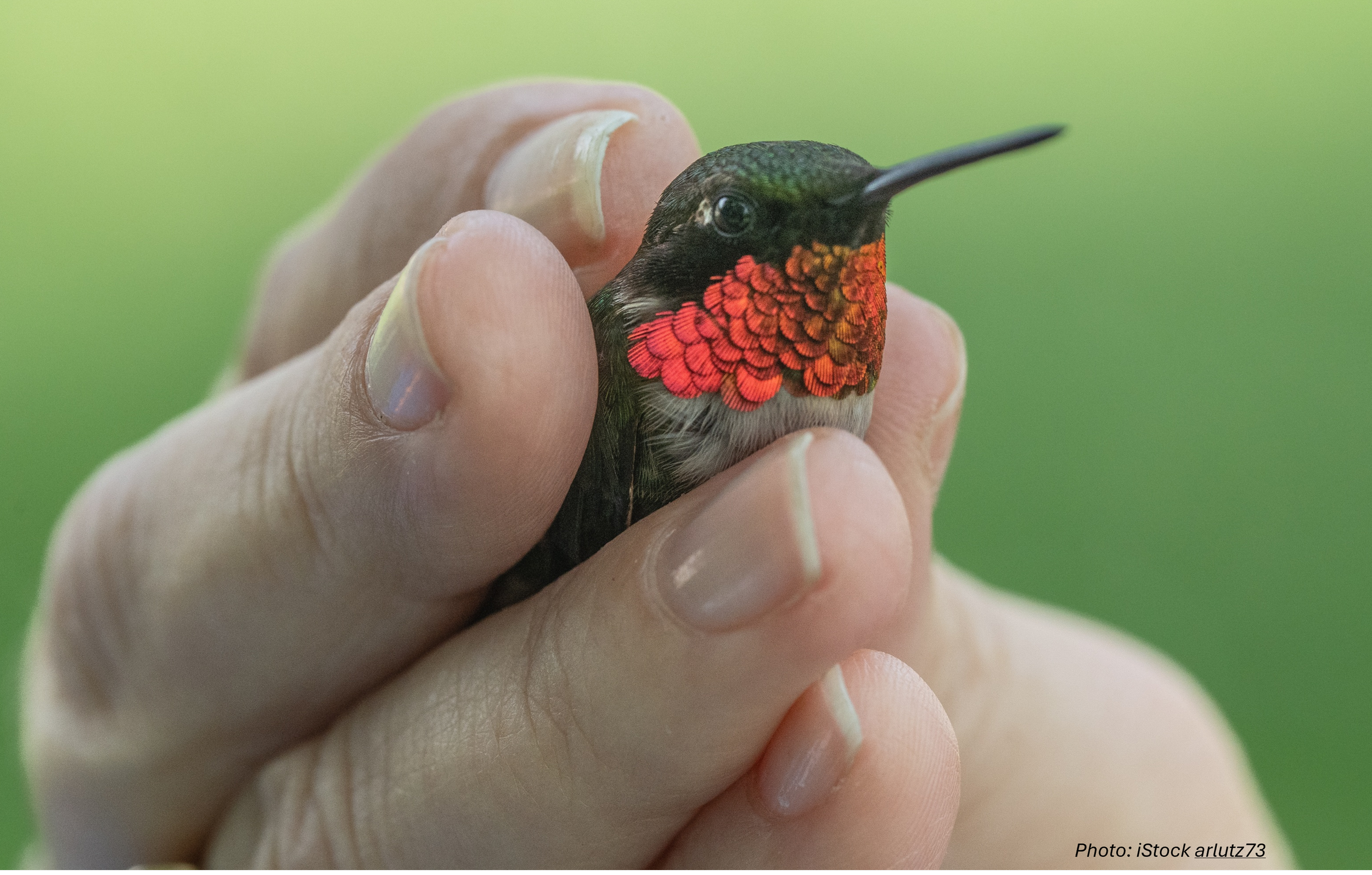
Birds vary widely in size, but many are much smaller than people expect. The Ruby-throated Hummingbird is actually smaller than a man’s fingers, which helps show just how little space these birds need to slip through a gap.
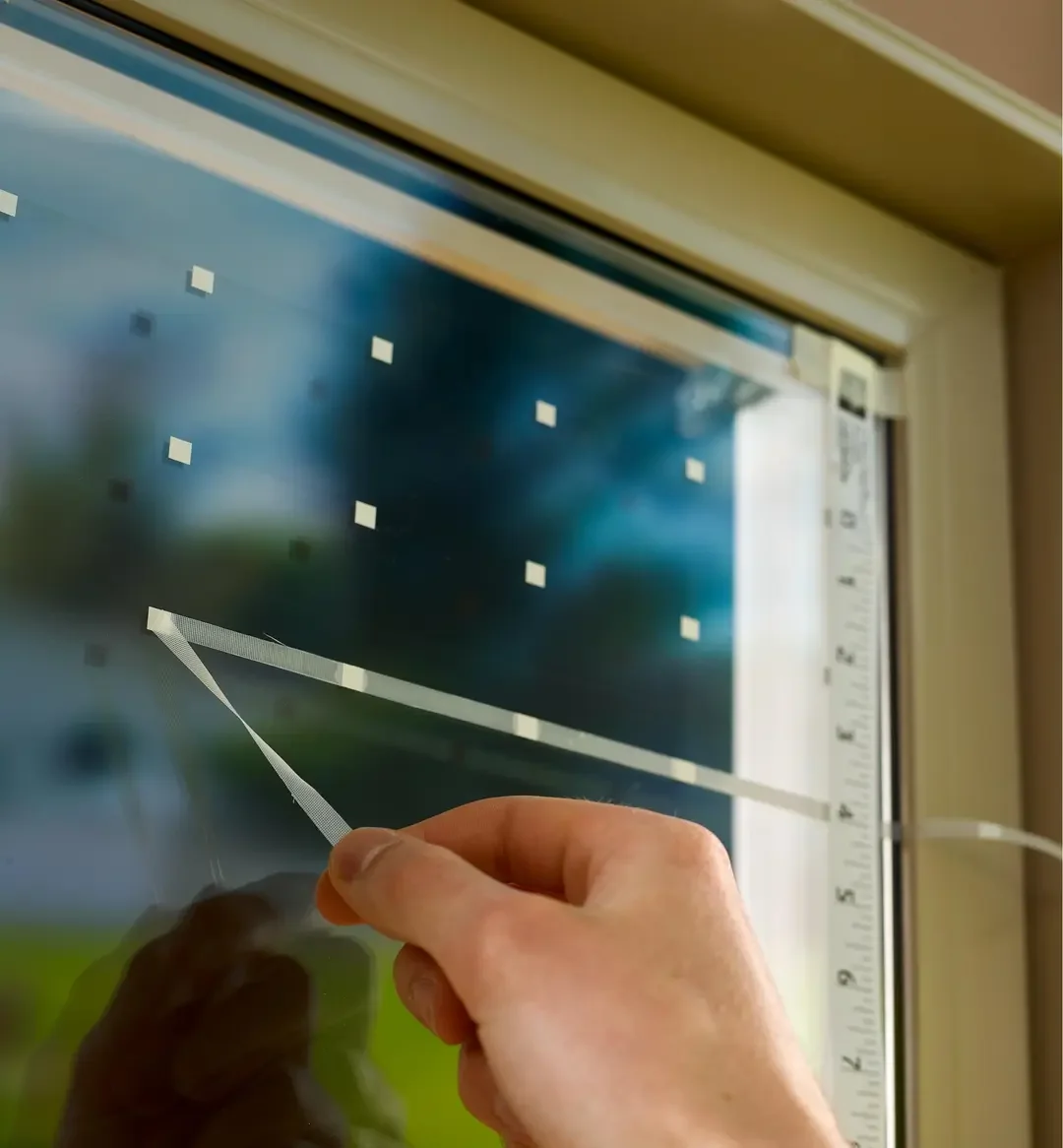
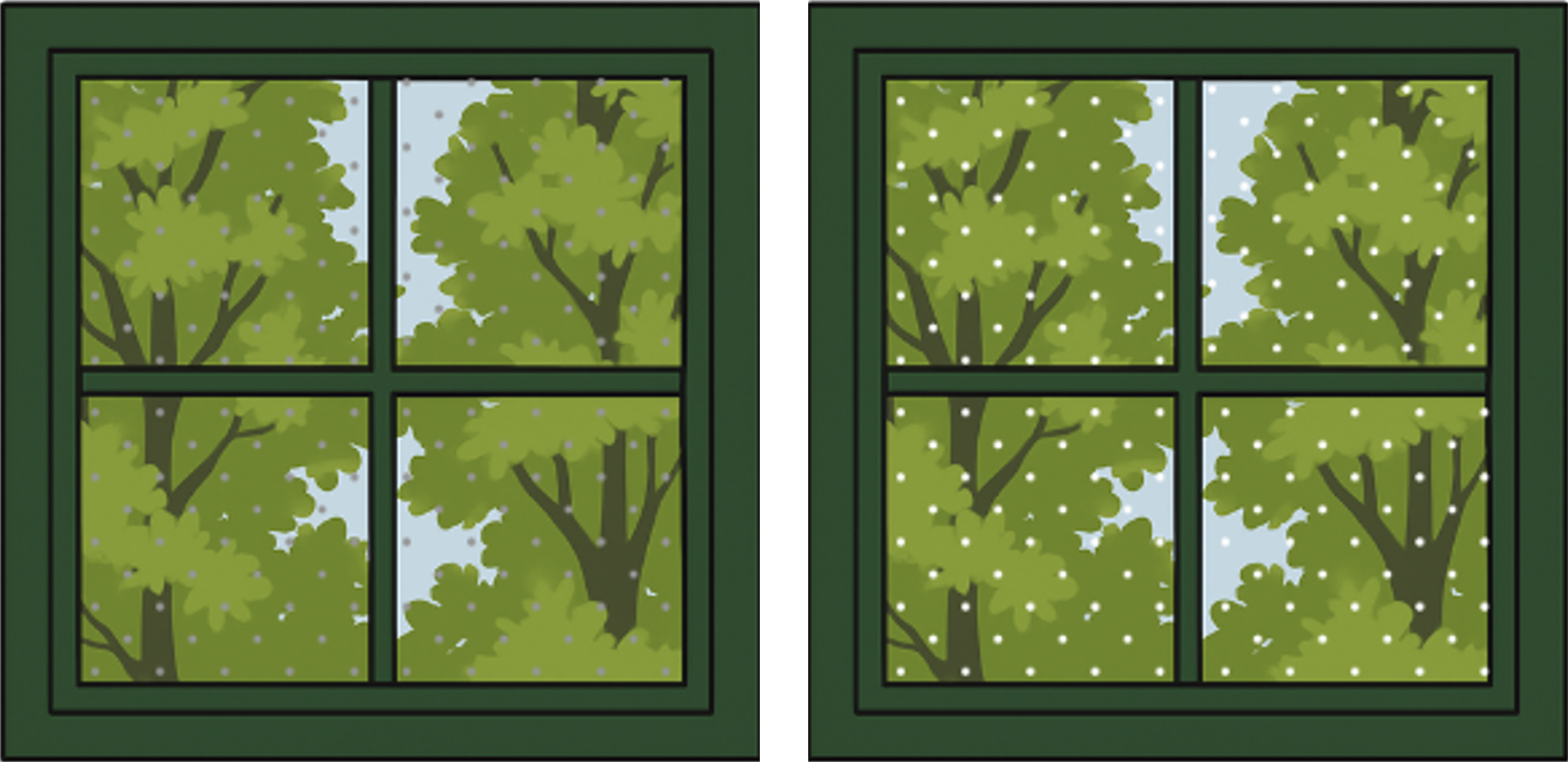
This diagram approximates the difference in visibility between when the same dot pattern is applied to the interior (left) vs. exterior (right) of windows. Exterior patterns are much more visible to birds and obscure indoor views less.
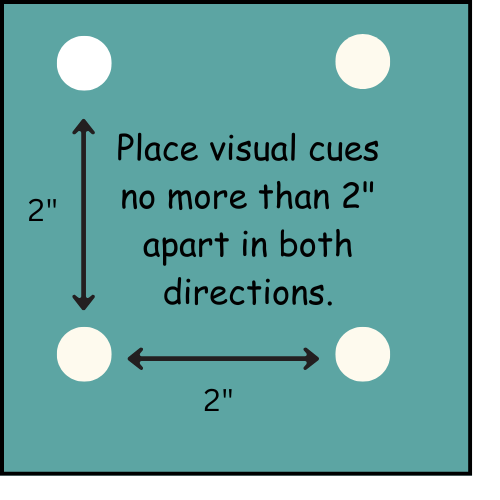
For most comprehensive protection, aim for no more than 2” between any element of the pattern (visual cue). In this above example, the elements of the pattern is a white dot.
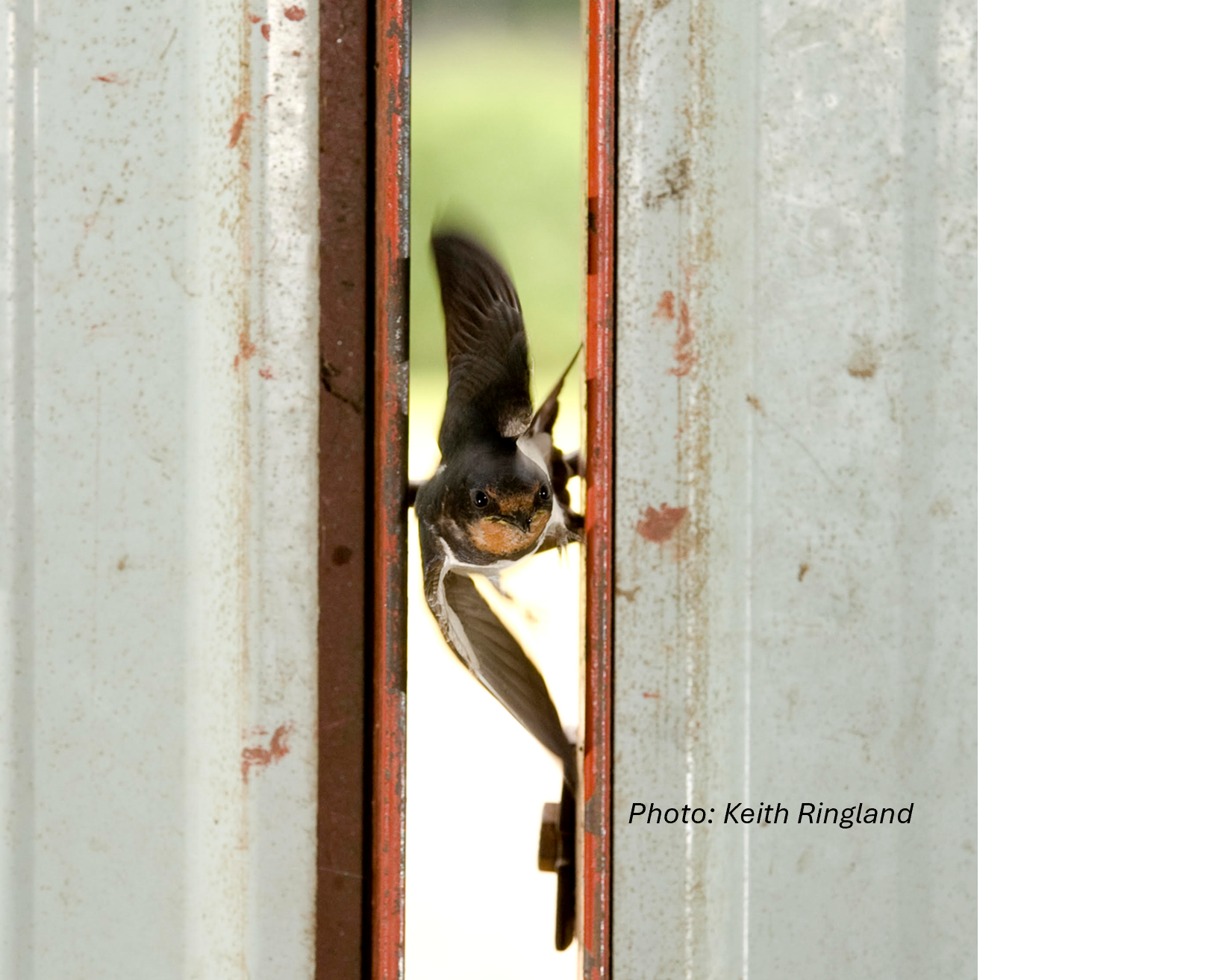
Maneuverability
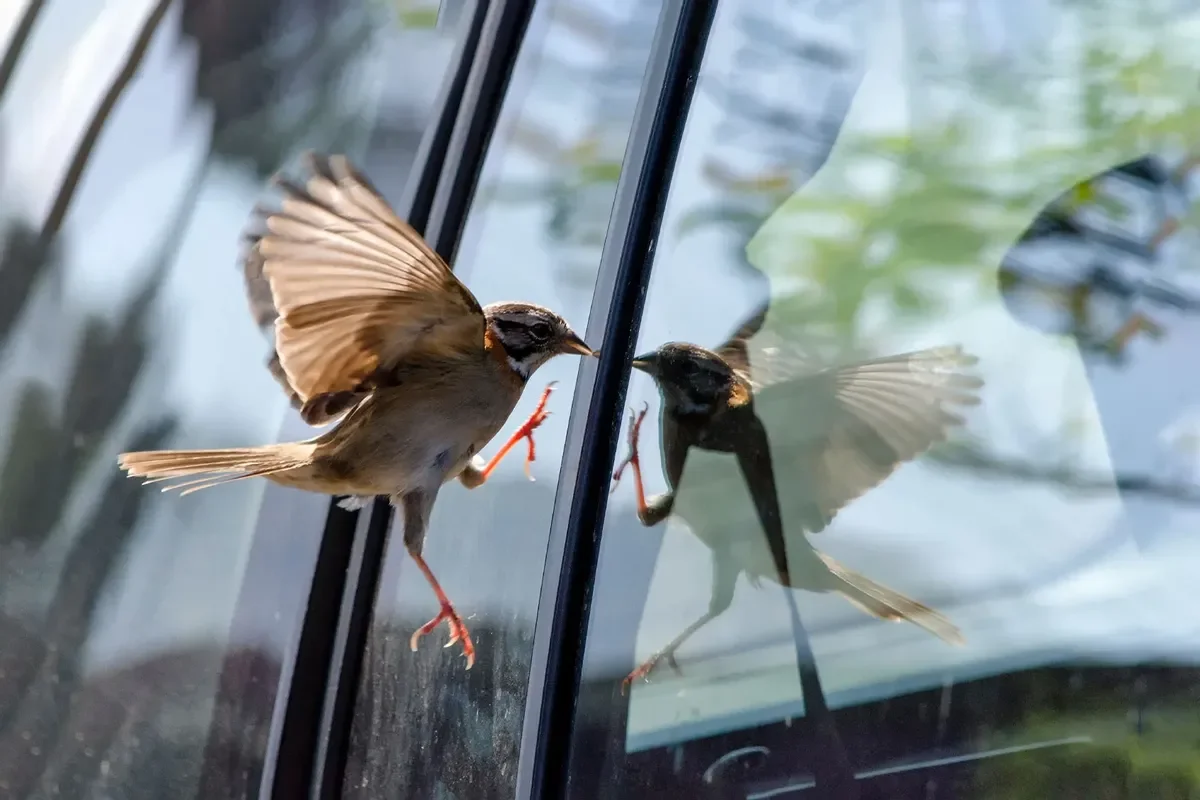
Beyond being tiny in size, they can be incredibly agile. The swallow in the photo is twisting its body to slip through a tiny crack, showing how easily birds can maneuver through even very narrow openings.
Window Collision Deterrent Product Information
MNBC evaluates commonly used deterrent products and provides straightforward summaries that cut through confusion by highlighting the key factors: the supporting science, demonstrated product effectiveness, and practical tips and tricks for the most effective and efficient use.
Effectiveness information reflects published testing when available; if no testing exists, that will be noted on the sheet.
Product Information Sheets:
Below are the products MNBC has evaluated; click any product name to access its information sheet.
Feather Friendly Markers
WindowAlert UV Decals
Window Gems
DIY Options
This section is under active development. Thanks for your patience as we build out practical, easy-to-use guidance for you.
DIY fixes can match or even surpass the performance of store-bought products. They’re affordable, simple to apply, and a great way to get creative or involve the whole family in something hands-on. With the right spacing and visibility, DIY patterns protect birds just as well as anything you can buy.
Where to Start
Level 1: Fix the Known Problem
Prioritize windows that are known to cause collision.
Level 2: Fix the Likely Problems
Evaluate your home and identify windows likely to cause collisions. These include windows near bird feeders and baths, windows near or reflecting foliage, and large expanses of glass such as patio doors and picture windows.
Level 3: Fix the Whole Picture
For full protection, treat all your home’s glass.
Window Safety Helps at Home. Turning Off Lights Helps Birds Everywhere.
Turning off lights during migration helps keep birds on course and away from buildings, where they can be drawn in by artificial light and collide with glass. But the biggest impact comes from dark-skies habits year-round. Reducing unnecessary lighting every night supports not only birds, but also fireflies, nocturnal insects, plants, and even human health. Choose bird-safe windows at home, and be part of a larger, everyday solution that protects the night for all wildlife.
How to Reduce Light Pollution at Home
Follow Lights Out During Migration
Turn off unnecessary outdoor lighting during peak migration periods
March 15–May 31 and August 15–October 31.
These are the months when millions of birds travel at night and can be pulled off course by artificial light. Keeping lights off helps keep them on their natural routes and away from buildings.
Make Darkness Your Default All Year
The biggest impact comes from everyday habits. Turn off outdoor lights when you don’t need them, use motion sensors or timers, timers, and downward facing light.
Choose Dark-Skies–Friendly Lighting
When you replace or add outdoor lighting, choose fixtures that point light downward, use warmer bulbs, and reduce glare and skyglow. For more information about choosing dark sky friendly lighting fixtures see DarkSky.
Want to know the nights when turning off lights matters most? Sign up to get real-time alerts right in your inbox. We’ll let you know when a night of intense migration is expected.
Want to do more to help birds?
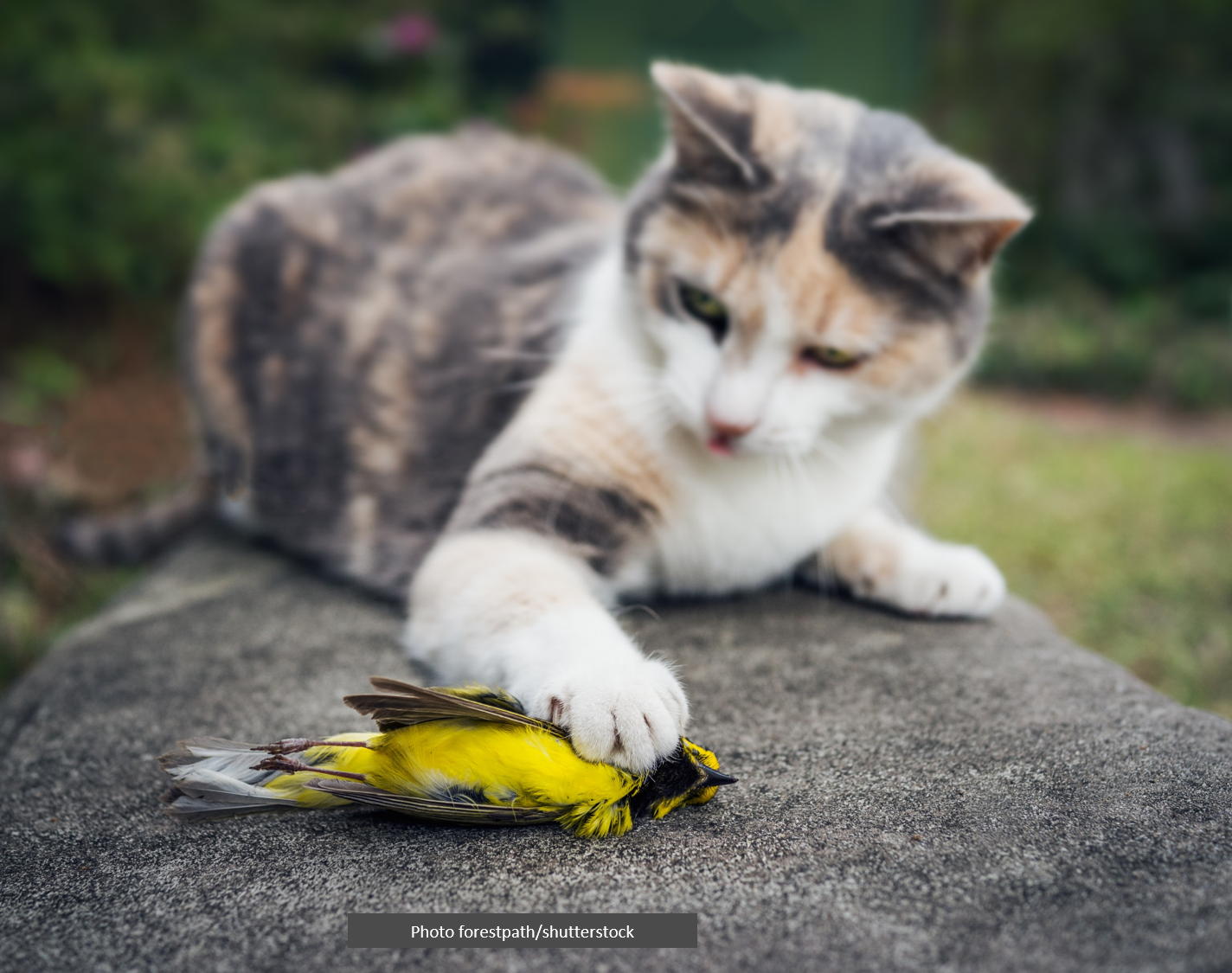
Learn how to keep your cat and wildlife safe and happy
Please consider making a tax-deductible donation to help us keep this work going. Your support directly funds our website, citizen science projects that drive real advocacy, and the printing of our educational materials.
Please be patient while we grow the database. We are trying to bring you the most up to date and complete information as possible.
Drop us a line if you would like us to compile information for a particular product.
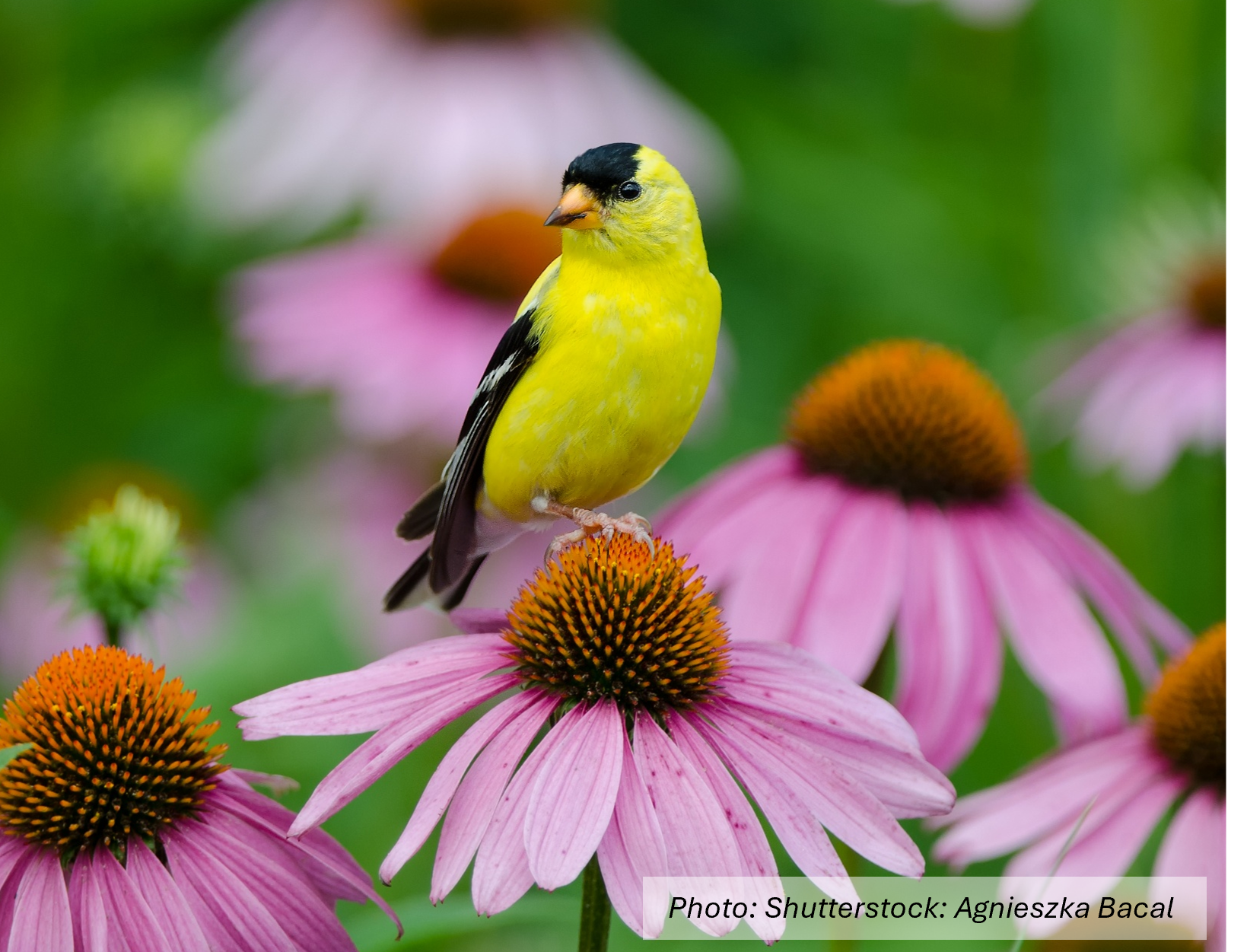
Learn how to make your own yard a haven for birds with native plants.