The Plant/Insect Relationsip
Native plants are not only adapted to Minnesota’s climate, they also play a critical ecological role. Because they evolved here, they generally require less water, fertilizer, and maintenance once established. But their biggest value to birds is what they support in their canopies. INSECTS!
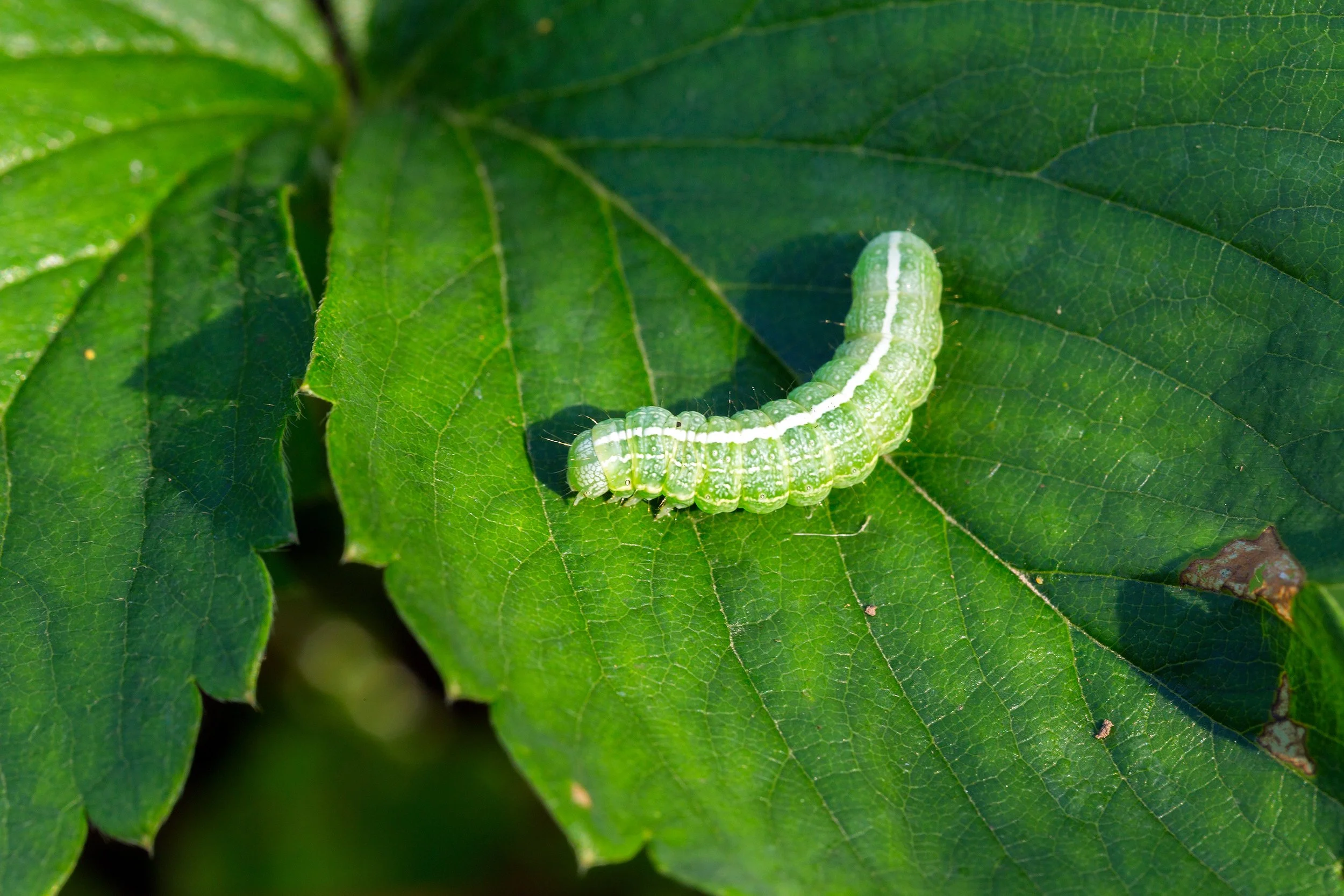
Woody plants, like shrubs and trees, grow the caterpillars and insects birds depend on more than any other plant type.
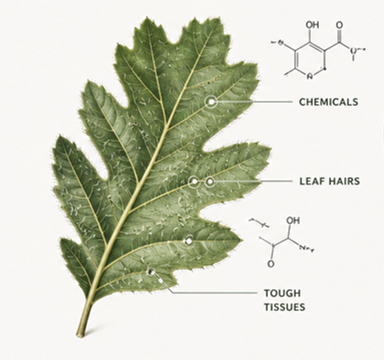
Plants and insects evolved alongside one another for millions of years. Over time, plants developed defenses to protect themselves from insect damage, including toxic chemicals, thick leaves, hairs, and other protective traits. In response, many insects evolved specialized adaptations that allowed them to overcome the defenses of certain native plants and use them as food sources.
Because insects did not evolve alongside plants from other continents, many are not equipped to recognize, feed on, or reproduce successfully on non-native ornamental species. As a result, native plants support far more insect life than non-native landscapes.
Research has shown that even closely related non-native plants support dramatically fewer insects than native species. One study found that insect abundance and diversity were reduced by approximately 68% on non-native relatives of native plants.
Some native plants play an especially important ecological role and are known as keystone species because they support exceptionally large numbers of insects and form the foundation of healthy food webs.
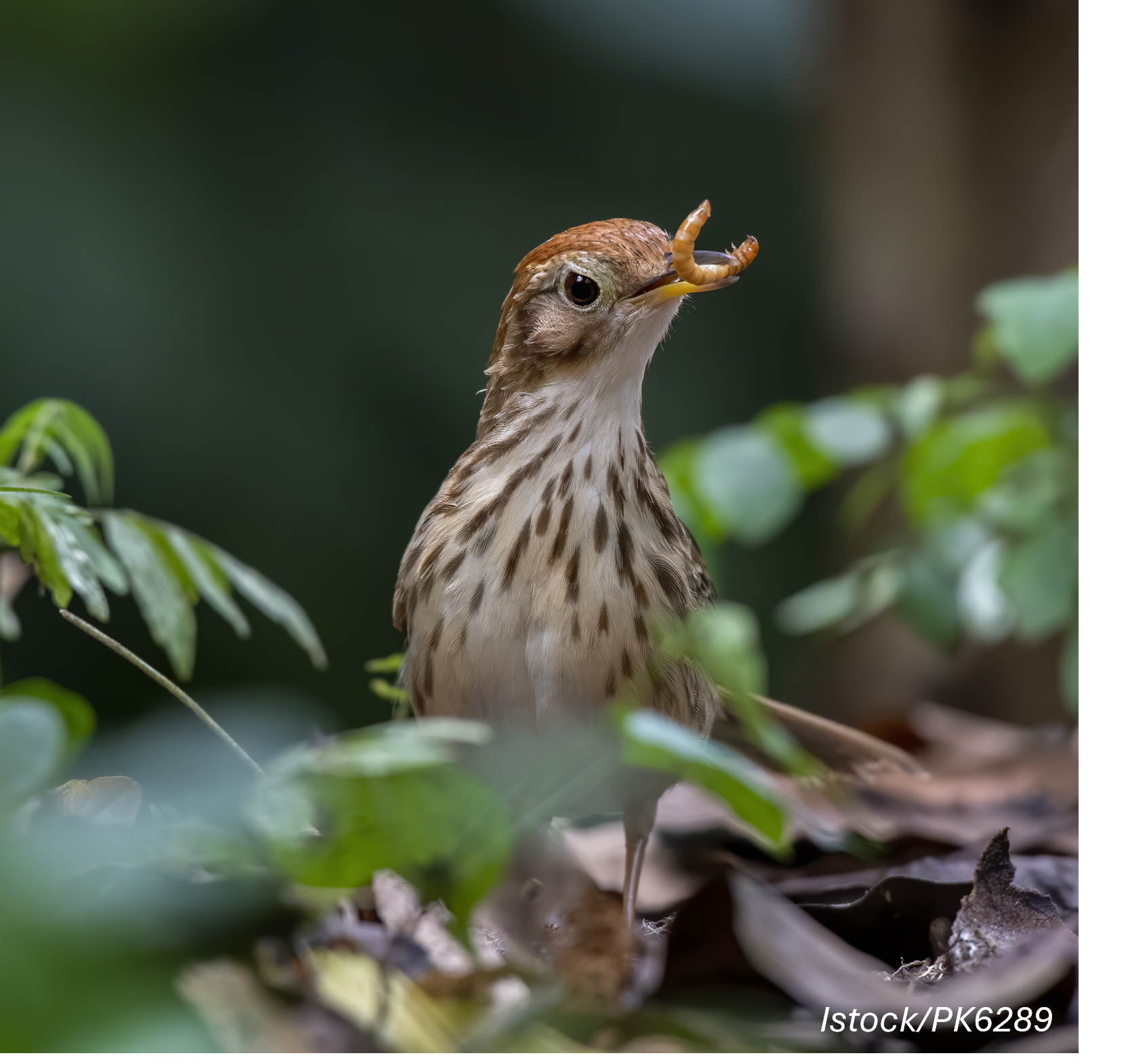
These relationships have major implications for birds and other wildlife. Insects, especially caterpillars, are a critical food source for birds during the nesting season.
Restoring native habitat is therefore not simply a landscaping choice, but an effort to rebuild the ecological relationships that sustain life around us.
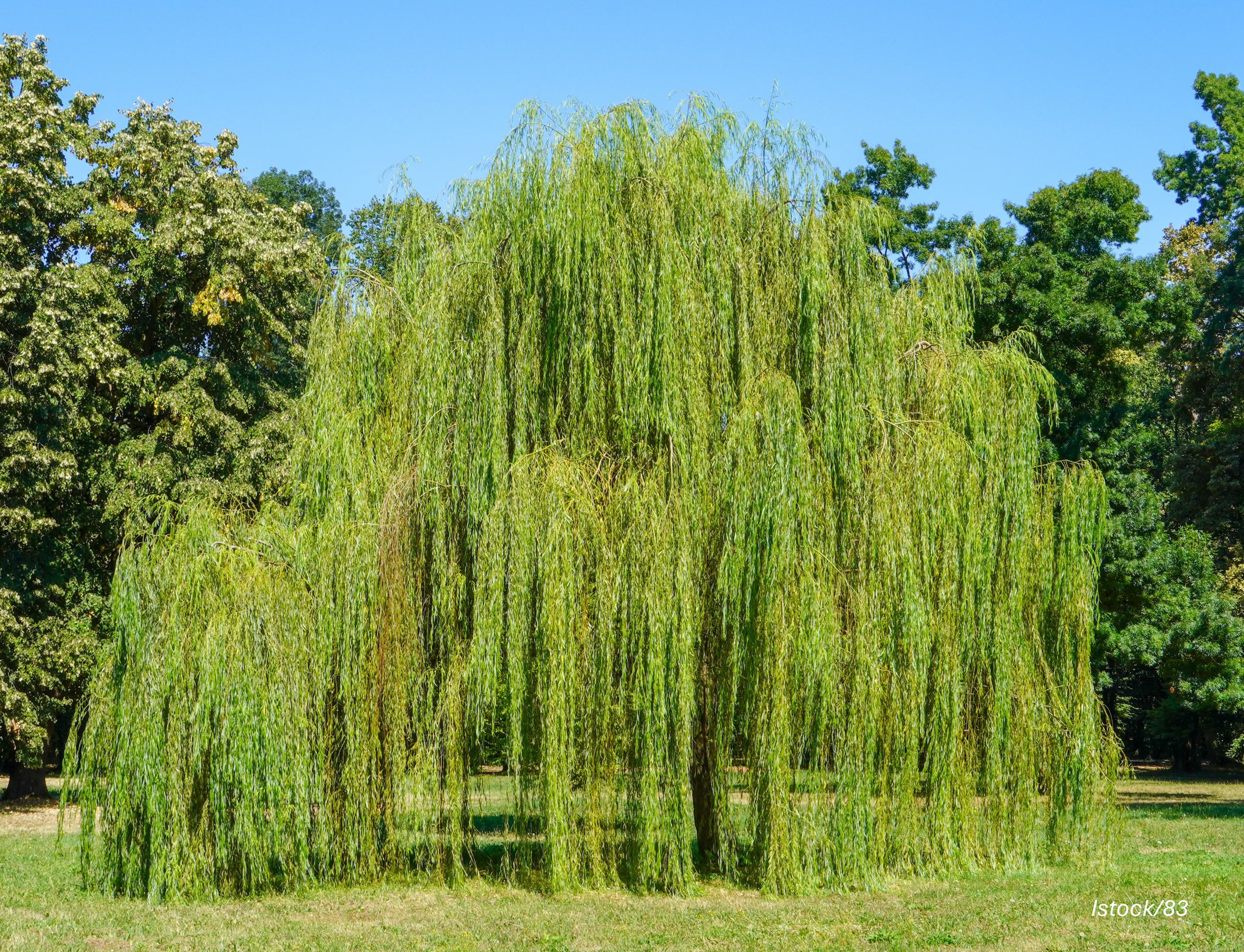
Although the weeping willow belongs to the same genus as Minnesota native willows, it evolved in Asia and supports far fewer North American insects than native willow species.