
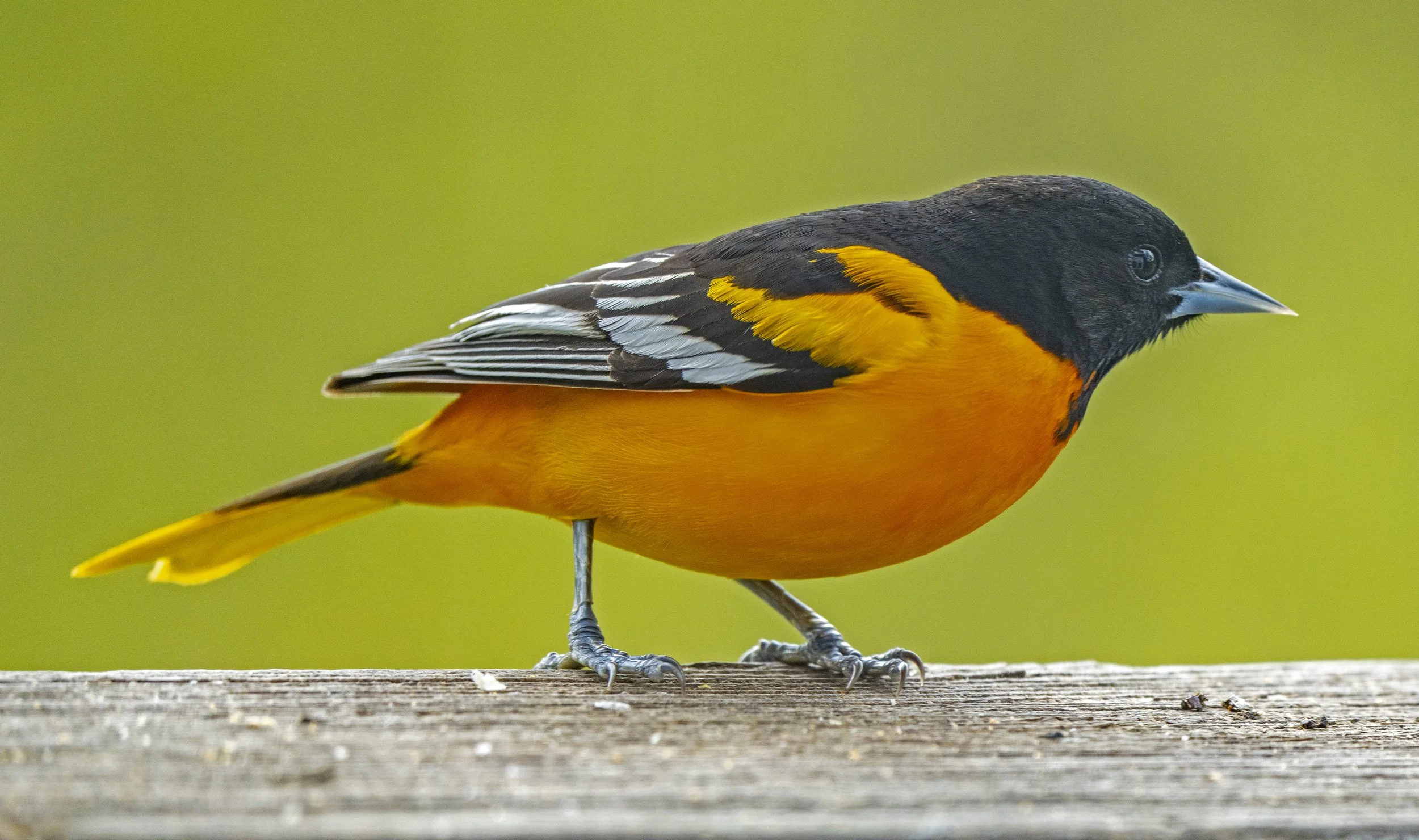
Migratory Birds
Minnesota Migration Facts
Each fall and spring hundreds of millions of birds move through Minnesota. Some travel thousands of miles from South America all the way to Artic Circle.
Minnesota hosts 246 species of breeding birds and many more m pass through during migration.
In spring, migrants in bright breeding plumage pass through cities, suburbs, farmland, and forests across the state.
Migratory Birds Are Declining - You Can Help
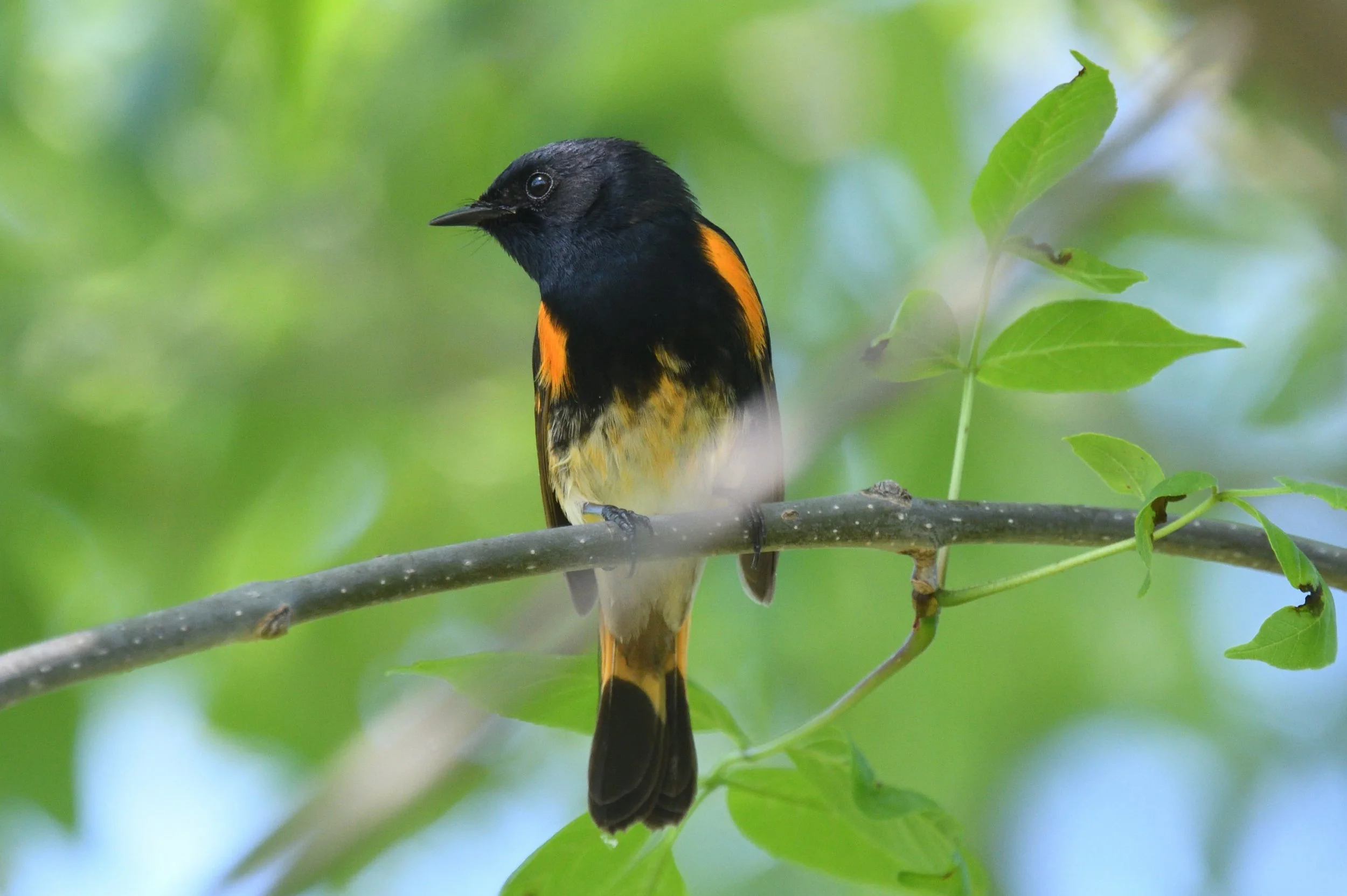
American Redstart (Setophaga ruticilla) Flkr cc Dominic Sheorony
For migratory birds, Minnesota is a critical stopover—a place to rest and refuel during long journeys. But they are in trouble: North America has lost nearly 30% of its bird population since 1970.
These birds depend on safe places with food, shelter, and water, yet face growing threats from habitat loss, window collisions, and outdoor cats. The good news: simple actions at home can make a real difference.
Follow the links below to learn how to help.
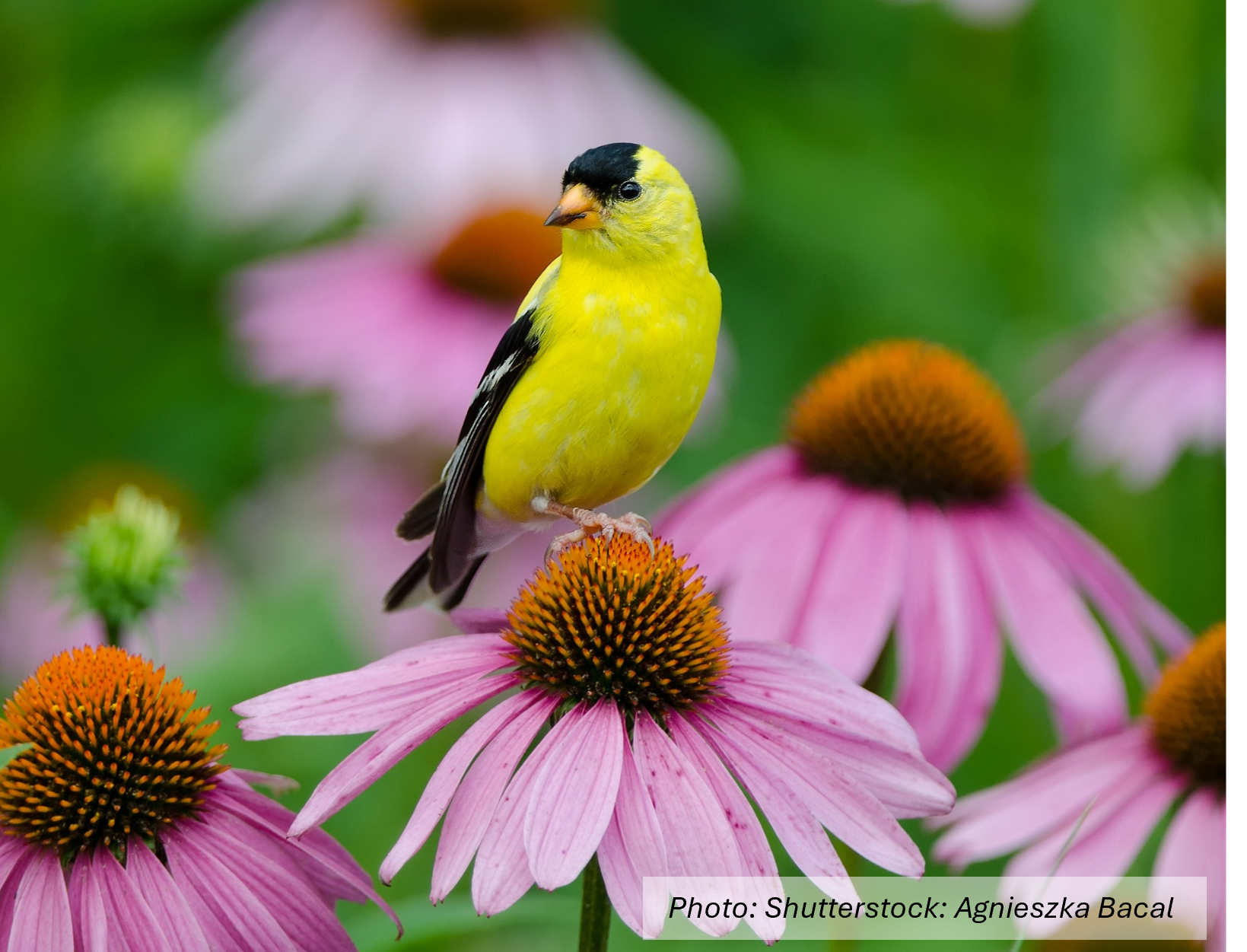
Learn which plants to include in your landscape to provide tired hungry birds with the food and shelter they need.
Too many birds travel thousands of miles to have their journeys cut short by a window. Learn how to prevent collisions on your windows.
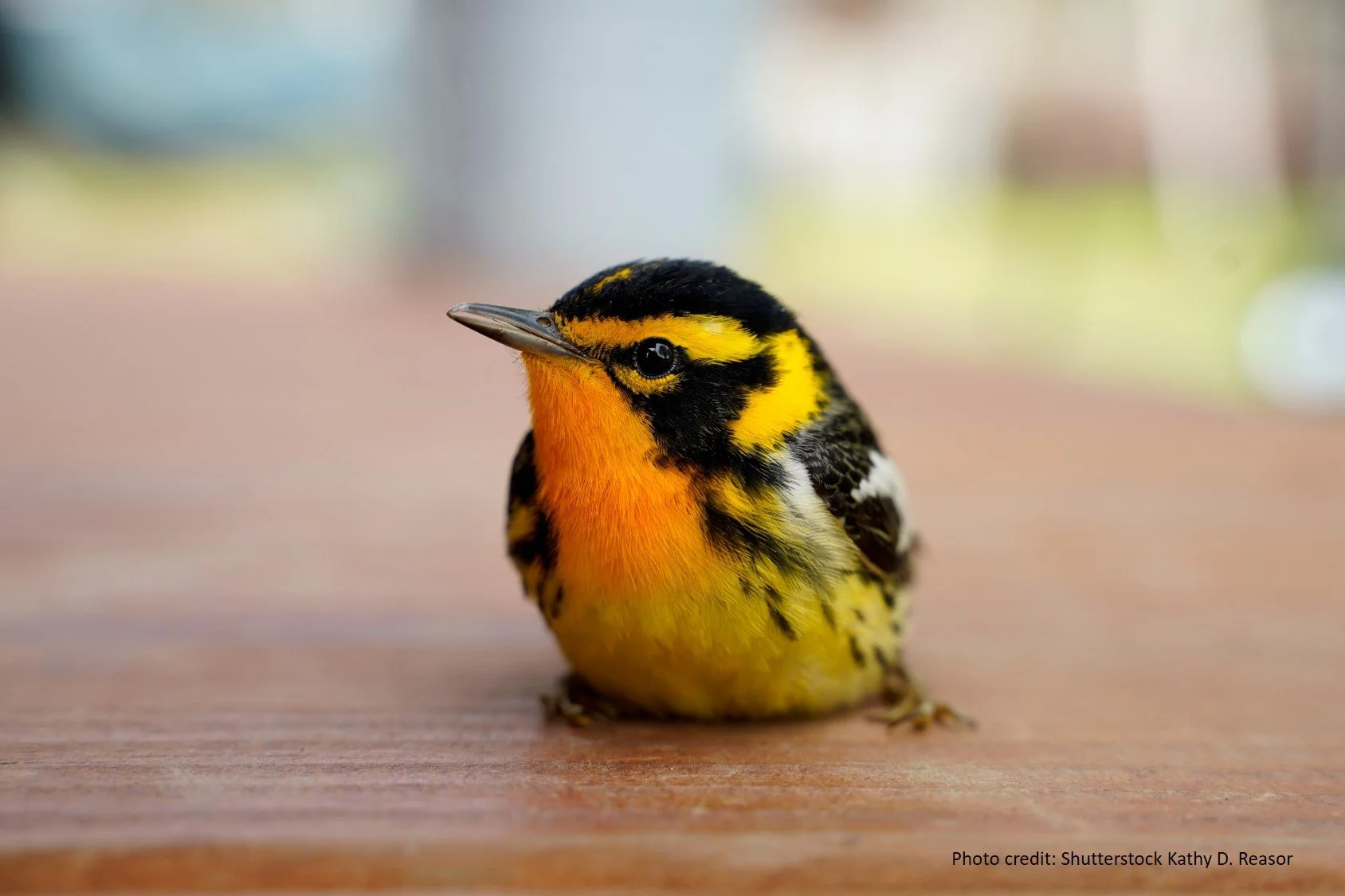
Did you find a window collision victim?
Report the collision—whether the bird survived or not. Your report helps advance research and advocacy.
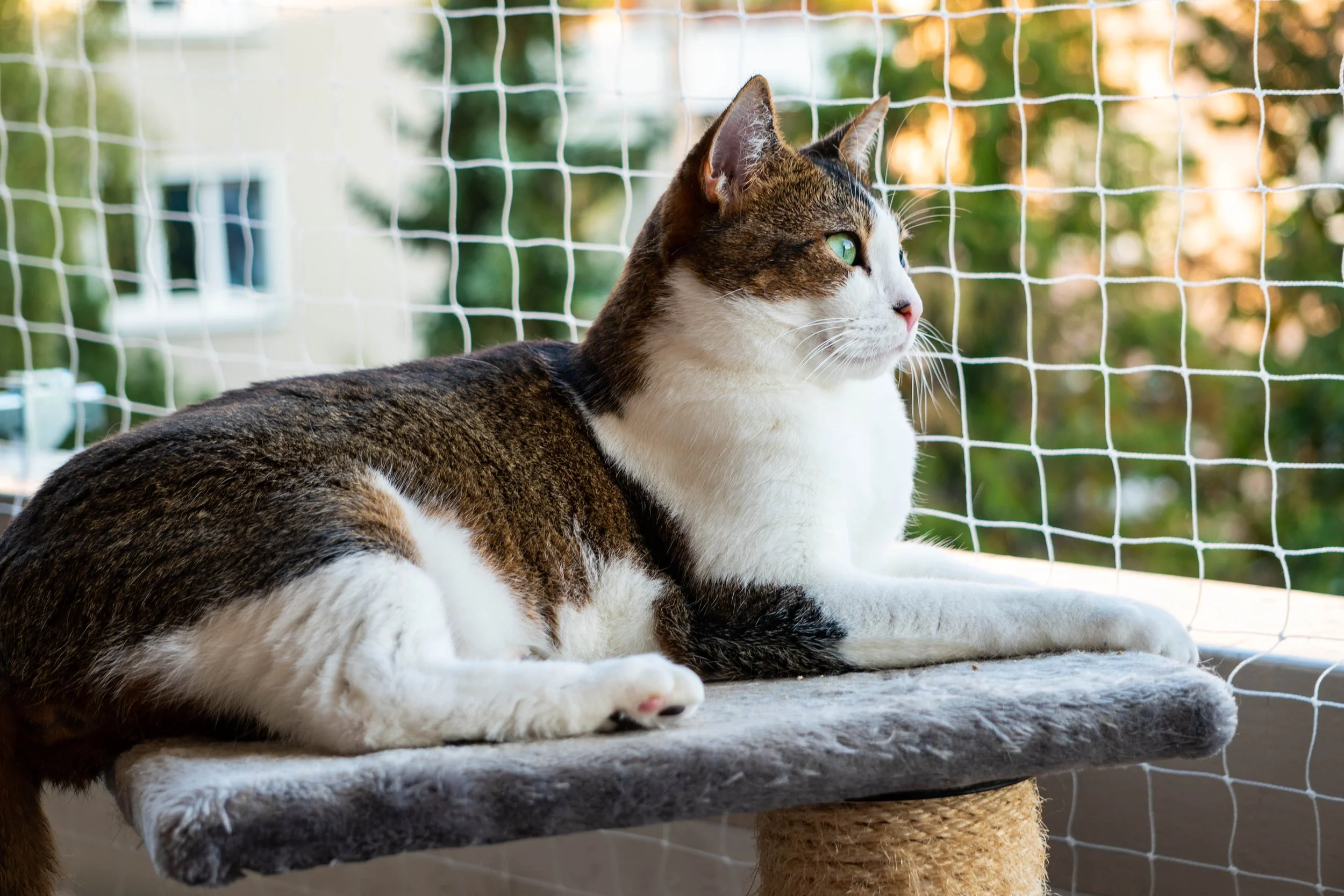
Outdoor cats can impact birds along their journey. Learn simple ways to keep cats happy while protecting wildlife.
Learn what to do if the bird is still alive to give it the best chance of survival.